Sewage System Installation in Denver, CO
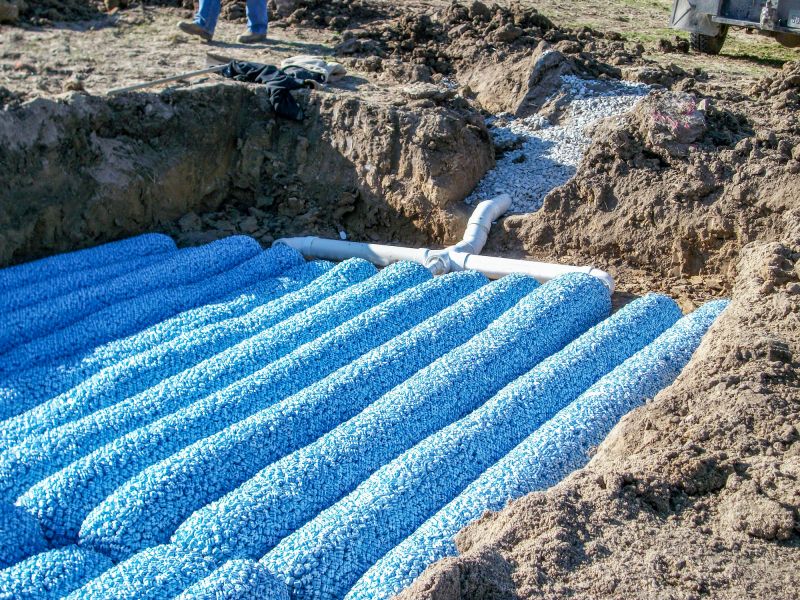
Sewage system installation services involve setting up the underground infrastructure necessary for safely transporting wastewater from a property to the municipal sewer system or a private treatment facility. This service covers a range of projects, including new construction developments, property renovations, or replacing aging or damaged sewer lines. Homeowners typically seek this service when building a new home, upgrading an existing system, or addressing issues related to sewer backups and leaks. Before requesting installation, property owners should understand the scope of work involved, potential permits required, and how the new system will integrate with existing plumbing infrastructure.
Understanding the different types of sewage systems and their components is essential for property owners considering installation services. Factors such as soil conditions, property size, and local regulations can influence the best approach for a sewage system. It’s also important to clarify the timeline, costs, and any necessary preparations before construction begins. Proper planning ensures the system will function efficiently and comply with local standards, providing peace of mind for long-term property management.
Many property owners in Denver, CO look into Sewage System Installation for repairs, replacements, upgrades, and appearance-related improvements.
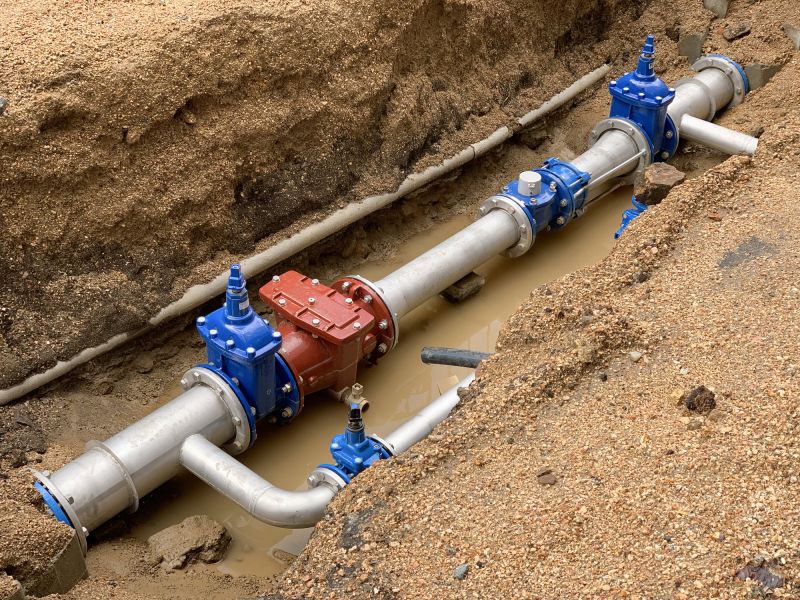
Septic System Setup
Proper installation ensures reliable sewage management for residential properties in denver.
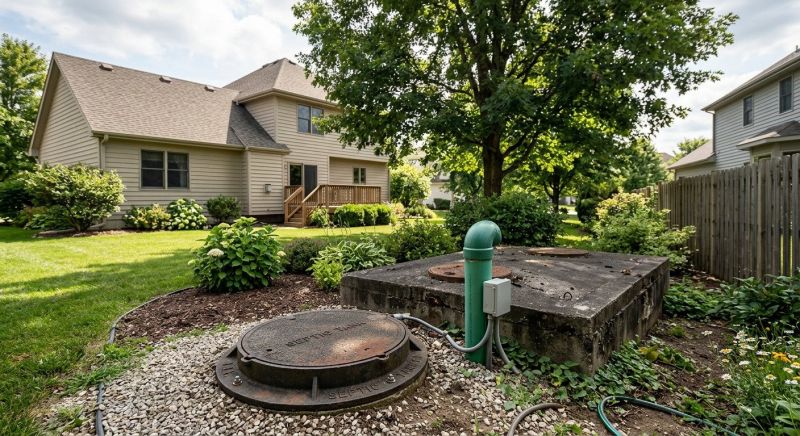
Drainage System Design
Customized sewage solutions help prevent backups and protect property foundations.
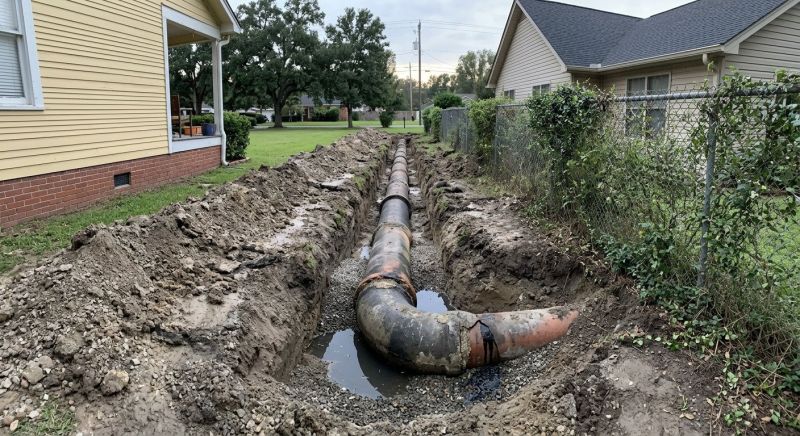
Maintenance And Repairs
Regular servicing extends the lifespan of sewage systems and maintains proper function.
Sewage System Installation in Denver, CO

Sewage system installation services involve setting up the underground infrastructure necessary for safely transporting wastewater from a property to the municipal sewer system or a private treatment facility. This service covers a range of projects, including new construction developments, property renovations, or replacing aging or damaged sewer lines. Homeowners typically seek this service when building a new home, upgrading an existing system, or addressing issues related to sewer backups and leaks. Before requesting installation, property owners should understand the scope of work involved, potential permits required, and how the new system will integrate with existing plumbing infrastructure.
Understanding the different types of sewage systems and their components is essential for property owners considering installation services. Factors such as soil conditions, property size, and local regulations can influence the best approach for a sewage system. It’s also important to clarify the timeline, costs, and any necessary preparations before construction begins. Proper planning ensures the system will function efficiently and comply with local standards, providing peace of mind for long-term property management.
Many property owners in Denver, CO look into Sewage System Installation for repairs, replacements, upgrades, and appearance-related improvements.
Common Sewage System Installation Jobs
Sewage System Installation - Installing new underground sewage lines to ensure proper waste flow.
Drainage System Setup - Creating efficient drainage pathways for residential and commercial properties.
Septic System Installation - Setting up septic tanks for properties not connected to municipal sewage.
Main Line Replacement - Upgrading or replacing aging or damaged main sewer lines.
Catch Basin and Manhole Installation - Installing access points for maintenance and inspection of the sewage system.
Customized Sewage Solutions - Designing and implementing sewage systems tailored to specific property needs.
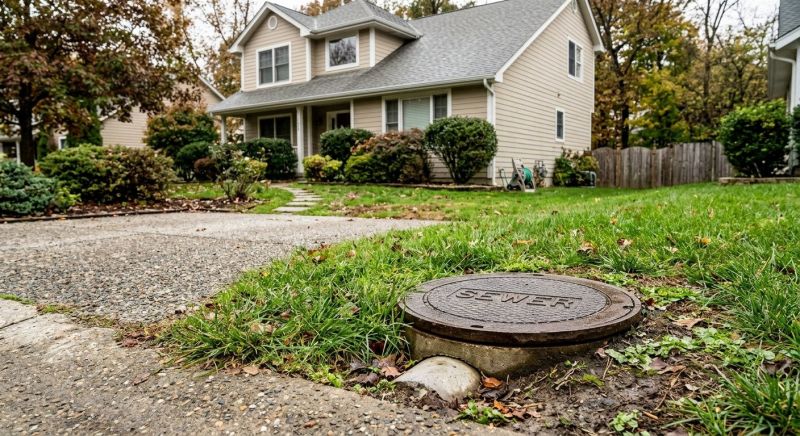
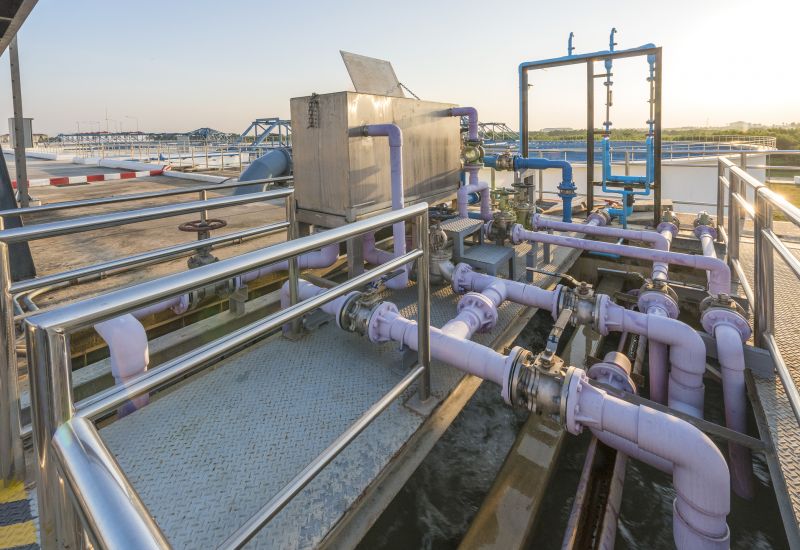
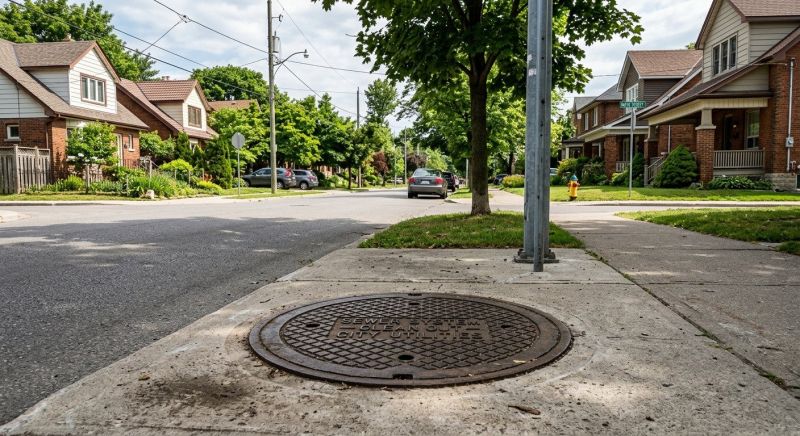
Sewage System Installation Questions
What types of sewage systems are commonly installed? Typical installations include gravity-fed systems, pressure systems, and alternative septic solutions tailored to property needs.
What should property owners consider before installation? It's important to assess property size, soil conditions, and local regulations to ensure proper system placement and compliance.
Are permits required for sewage system installation? Yes, permits are generally needed and should be obtained through local authorities before beginning work.
How does the installation process usually proceed? The process involves site evaluation, system design, excavation, installation, and final inspection to ensure proper functioning.
Request Sewage System Installation in Denver, CO
Use the quote form on this page to share the basics of your project and request more information for the type of work you need.